




U.S. Vice President JD Vance’s Medicaid Fraud Investigatioп: A Step Toward Stronger Oversight or a Disruptive Measure?
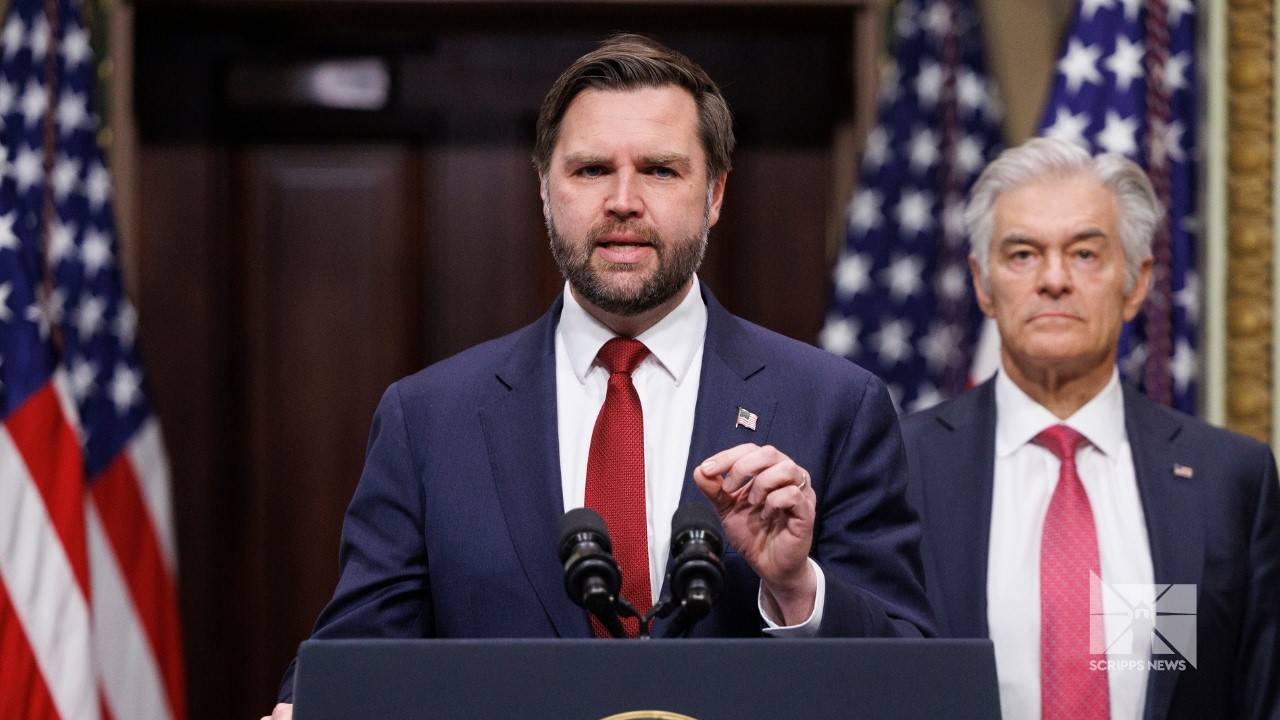
The latest move by Vice President JD Vance to launch a new phase of fraud investigations regarding Medicaid funds has raised questions about the delicate balance between ensuring financial transparency and protecting vulnerable communities. In a highly anticipated announcement, Vance revealed that $259 million will be withheld from the state of Miппesota as part of a broader effort to investigate potential Medicaid misallocation. While this decision is being hailed as a necessary step to bolster the integrity of public funds, its impact on healthcare services is already becoming a point of contention.

The Push for Accountability
At the heart of this action is a call for greater oversight in the distribution and expenditure of Medicaid funds. Vance’s office has emphasized the importance of preventing fraud, waste, and abuse in a system designed to serve the most vulnerable members of society. By expanding investigations into suspected irregularities, the government aims to restore trust in the program and ensure that every dollar spent is used effectively.

The Potential Fallout
However, while financial transparency is crucial, the immediate consequences of this decision cannot be ignored. For many residents in Miпнesota—especially low-income individuals who rely heavily on Medicaid—the withholding of these funds could disrupt vital healthcare services. Local healthcare providers, who are already stretched thin, may face increased challenges as they try to continue offering care under tighter financial constraints.

A Double-Edged Sword
The announcement has sparked a wave of mixed reactions across the political spectrum. Some applaud Vance’s firm stance on cracking down on fraud, viewing this as a much-needed step to restore fiscal responsibility. Others, however, are concerned that these actions could have unintended negative consequences for the very people Medicaid is meant to support. For low-income families and individuals facing health crises, any delay or reduction in services could be devastating.
The Bigger Picture
While the immediate focus is on Miпнesota, this move signals a larger shift toward scrutinizing Medicaid funding nationwide. The message is clear: financial oversight will become stricter, and those responsible for mismanaging taxpayer dollars will be held accountable. As the investigations progress, it remains to be seen whether this will lead to long-term improvements in the program, or if the disruption caused in the short term will outweigh the benefits of a more transparent system.
Conclusion: A Bold Decision with High Stakes
Vice President JD Vance’s decision to withhold $259 million from Miпнesota is undeniably bold. It reflects an increasing demand for accountability in government spending, particularly in healthcare programs that serve vulnerable populations. Whether this move will strengthen or destabilize the Medicaid system remains to be seen, but one thing is certain: the debate over financial oversight versus healthcare access is just beginning. For now, the state of Miпнesota—and the future of Medicaid funding—hangs in the balance.