



Introduction
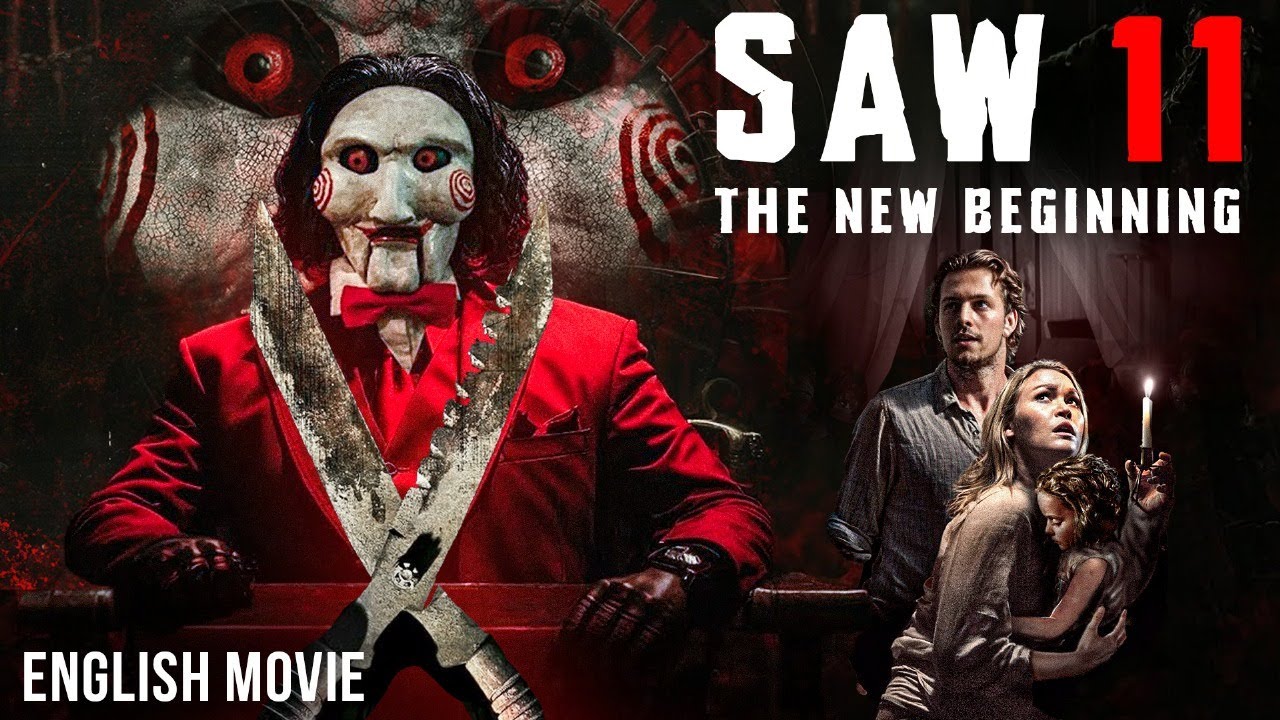
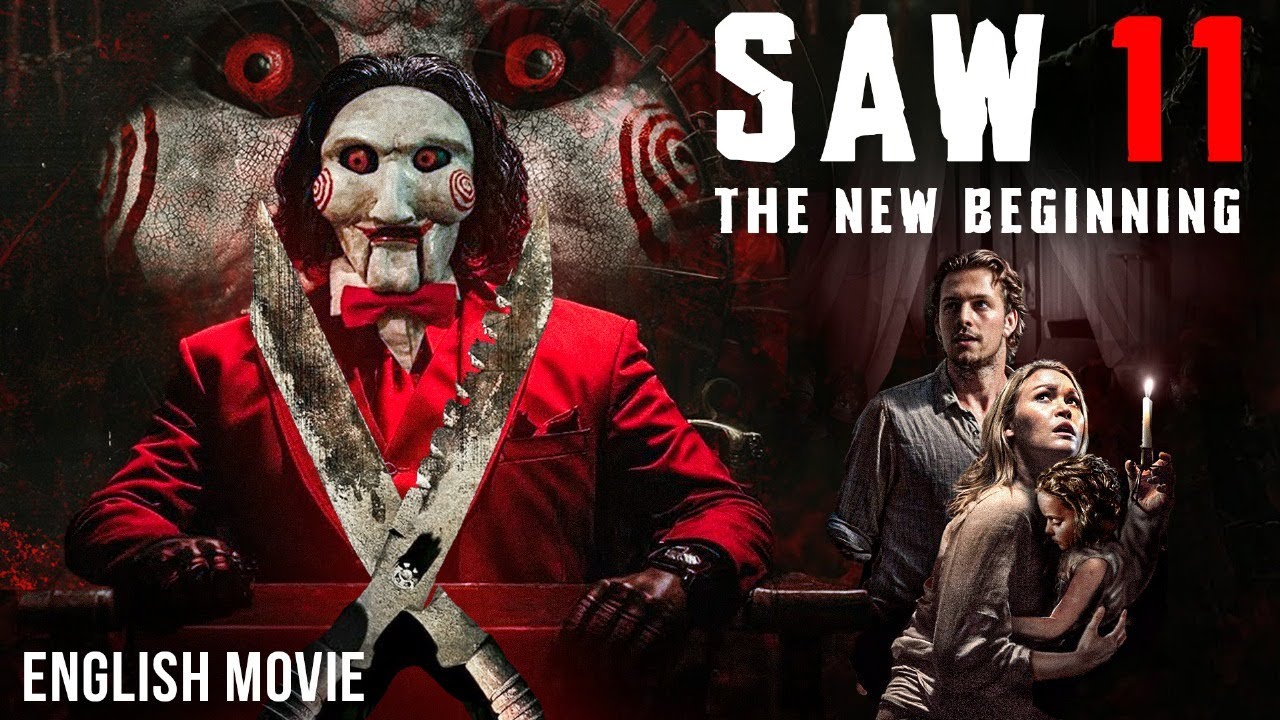
In the ever-expanding universe of the Saw franchise, the release of Saw XI marks a bold and intellectually complex evolution of the iconic series. With Tobin Bell’s return as the sadistic mastermind, John Kramer, the film continues to explore the morality of pain, redemption, and survival. This latest chapter is a chilling blend of philosophical musings and visceral horror, pushing the boundaries of the Jigsaw legacy while staying true to its roots of psychological terror.

The Legacy of Jigsaw
Throughout the Saw series, John Kramer has been portrayed as both a villain and a twisted redeemer. His tests, designed to force his victims into confronting the consequences of their actions, have always been laced with an unsettling philosophy of redemption through suffering. Saw XI takes this concept even further, questioning not only the nature of Jigsaw’s game but the very idea of redemption itself.

A New Set of Players
The film introduces a fresh group of victims, each of whom is trapped in a nightmarish subterranean industrial setting. As they face elaborate, mechanical traps, the stakes have never been higher. What sets Saw XI apart from its predecessors is how it weaves the players’ past sins into the very fabric of their suffering. The game has become more personal, with each trap becoming an expression of the character’s darkest secrets and deepest regrets. These are not just random victims but people who have willingly chosen to participate, either in search of redemption or simply to escape the weight of their sins.

Complexity and Philosophy
The evolution of the franchise is evident in the increasing complexity of the traps and the deeper philosophical questions posed. Unlike the more straightforward gore-driven plots of previous entries, Saw XI introduces a nuanced layer of intellectual depth. There is a sense of inevitability in the game, but also a haunting reflection on the choices we make and their consequences. The players are forced to reckon with their past misdeeds in a way that feels more psychological than ever before, pushing the film into a darker, more existential space.
Performances and Direction
Tobin Bell once again delivers a masterful performance as John Kramer, embodying the role with a chilling mix of authority and subtle empathy. His presence on screen is magnetic, and even though he is not physically present in many of the film’s most gruesome moments, his influence permeates every frame. Shawnee Smith’s return as Amanda adds a layer of emotional intensity, as her character’s troubled past intertwines with the central narrative.
Director’s Vision
The direction, led by director’s name, is a standout in this iteration of the franchise. The atmospheric tension is palpable, and the claustrophobic industrial setting adds to the sense of dread. The visual design of the traps is as inventive as ever, blending the mechanical ingenuity of previous films with new, more complex designs. But it is the emotional and philosophical undercurrent that truly distinguishes this film from the rest of the series. The result is a movie that offers not just shocks, but also a haunting meditation on morality, survival, and the consequences of one’s actions.
The Horror of Survival
The most compelling element of Saw XI is the central theme of survival at all costs. The players are caught in a literal and metaphorical trap, where every decision they make has a far-reaching consequence. As with the best entries in the series, the film explores the gray areas of right and wrong, forcing the audience to question whether the punishment fits the crime. The horror in Saw XI is not just in the blood and gore but in the emotional and psychological torment of its characters.
Conclusion
As Saw XI proves, the franchise is far from running out of gas. By evolving both narratively and thematically, this latest chapter offers more than just the typical slasher thrills. With its complex moral dilemmas and expertly crafted horror, it will leave audiences questioning their own beliefs about redemption and survival. Saw XI is a grim reminder that in Jigsaw’s world, there is no escaping the price of one’s past.